
Room: Poster Area
Date: Friday, 22 May 2026
Time: 11:30 - 12:45 CEST
Session code 1DV.4
Sustainable integrated agricultural management practices - Prospects of a sustainable production of biomass
Fast Growing Energy Forest (FGEF): Carbon-Negative Biomass Production on Marginal Lands Through Climate-Resilient Willow Plantations
Short Introductive summary
Sustainable biomass supply is a critical pillar of the European Green Deal and the Circular Bioeconomy. The Fast growing Energy Forest (FgEF) initiative aims to establish climate-resilient, fast-rotation willow (Salix viminalis M 1) plantations on marginal lands in Portugal and Central Europe, integrating biomass production with carbon sequestration. Field trials and remote-sensing assessments demonstrate biomass yields of 15–25 t DM ha-¹ y-¹ and CO2 fixation exceeding 20 t CO2 eq ha-¹ y-¹. The FgEF model links sustainable biomass supply chains with industrial applications—bioenergy, eco-bio building materials (EBBB), and certified carbon credits—positioning marginal lands as productive carbon sinks. This work contributes to European strategies for decarbonization, soil restoration, and circular value creation.
Presenter
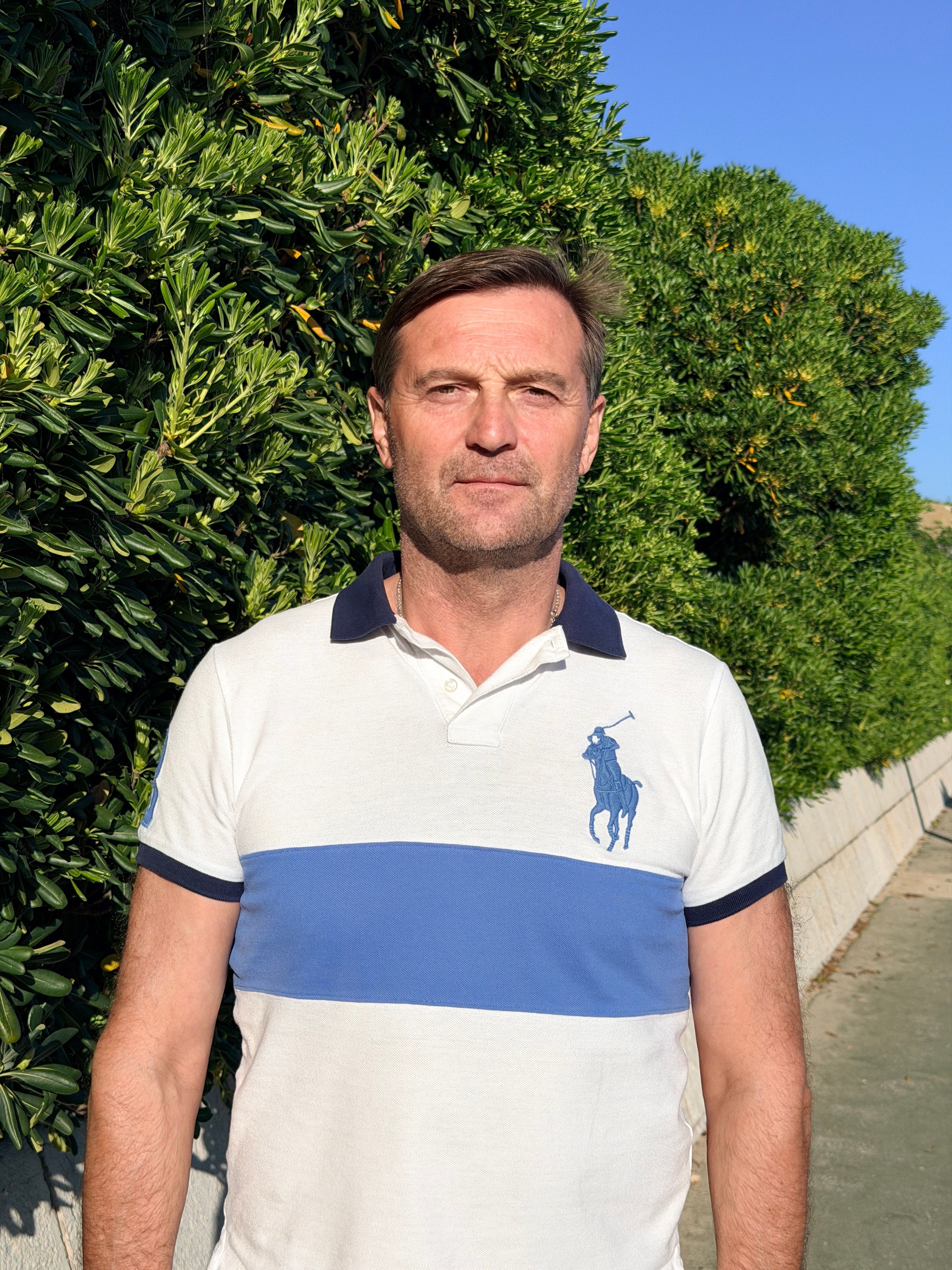
Leonid MELEZHYK
Universidade NOVA de Lisboa, Chemistry Dpt., PORTUGAL
Biographies and Short introductive summaries are supplied directly by presenters and are published here unedited
Co-authors:
L. Melezhyk, Universidade Nova de Lisboa, Caparica, PORTUGAL
Session reference: 1DV.4.24