
Room: King Willem Alexander
Date: Thursday, 21 May 2026
Time: 10:15 - 11:15 CEST
Session code CP.1
Advances in innovative biomaterial production processes
Overview of Current Developments on Biorefinies World-wide
Short Introductive summary
Biorefineries are necessary and expanding worldwide as governments and industries have a strong focus on decarbonization, independence on fossil oil, energy security, and developing a real circular bioeconomy. Recent analyses show strong growth in production capacity, technology deployment, and regional investments. But at the same time major challenges are recognized in feedstock availability, affordable feedstock en energy prices, together with high CAPEX and OPEX to build and operate a multi-product biorefinery. Next to that, complex downstream purification strategies are needed for the production of high value biochemicals. IEA Bioenergy Task 42 ’Biorefining in a Circular Economy’ is an international network to provide detailed up-to-date and scientifically sound information about biorefinery systems and associated technologies. This information flow will help stakeholders to establish biorefineries for the future with integrated energy systems and a multiple production outlet of advanced biofuels, biochemicals and biobased materials. This presentation will present an overview of the major current developments on biorefineries with some detailed examples.
Presenter
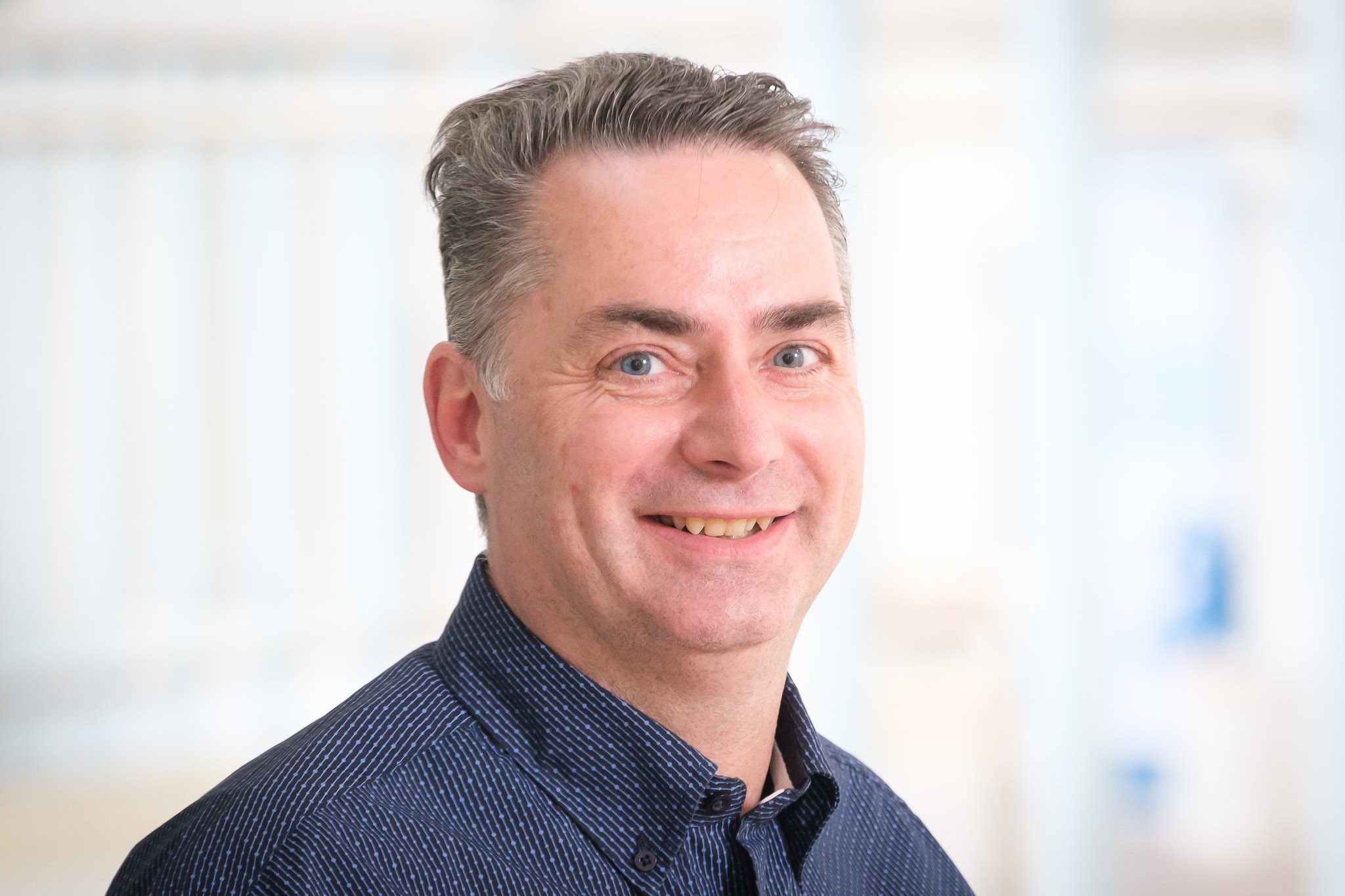
Richard GOSSELINK
Wageningen University, Biobased products, THE NETHERLANDS
Presenter's biography
Dr. Richard Gosselink obtained his PhD on lignin valorisation at WUR. He coordinates large networks and projects such as LignoCOST, Task 42 Biorefining in a Circular Economy. He built new project together with industrial stakeholders active in biorefinery, cellulose and lignin valorisation.
Biographies and Short introductive summaries are supplied directly by presenters and are published here unedited
Co-authors:
Session reference: CP.1.1